
With growing concerns about air quality, many people are seeking air purifiers for both homes and workplaces. Although all air purifiers improve indoor air, there are key differences between residential and commercial units. Choosing the wrong type could result in inadequate air circulation or failure to meet legal standards in commercial settings. Here's a guide to help you choose the right purifier.
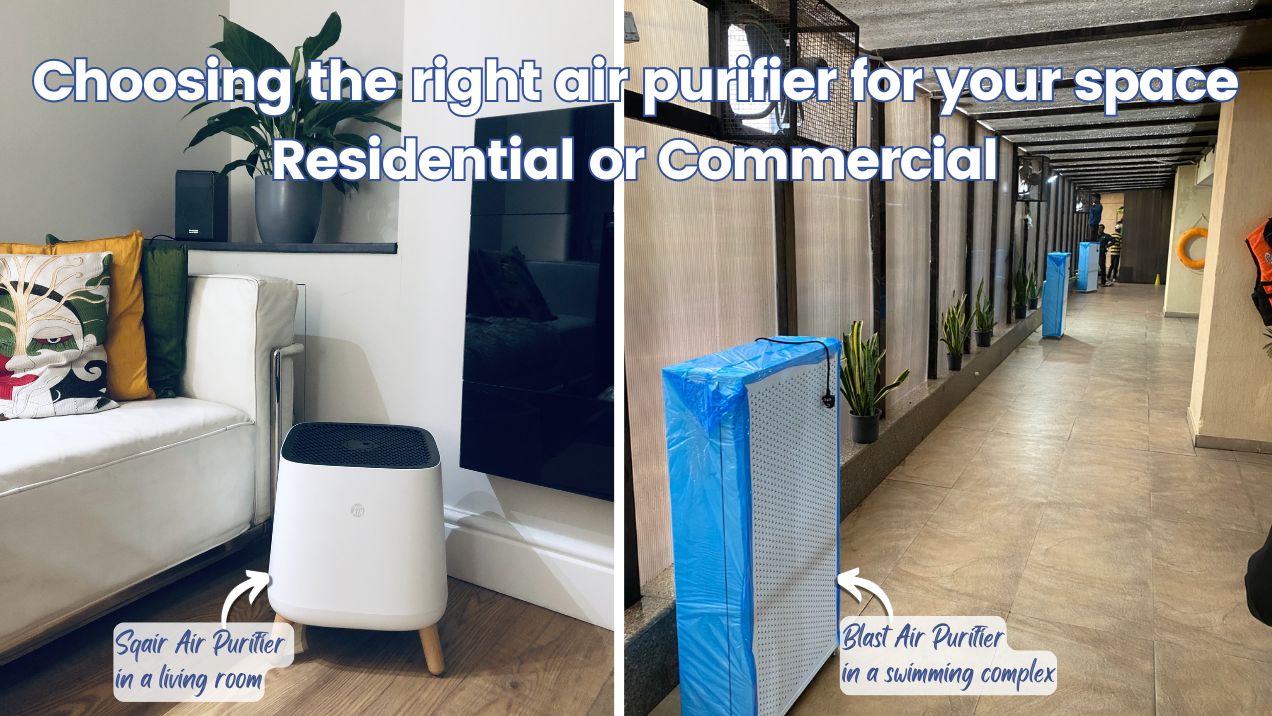
Why residential air purifiers aren’t suitable for commercial spaces
Residential air purifiers are designed for smaller spaces, addressing pollutants like dust, pollen, pet dander, and everyday VOCs. They work well in homes but lack the capacity to meet the air change requirements of commercial environments.
Commercial spaces must achieve a specific number of air changes per hour (ACH) to comply with health and safety regulations. These standards are crucial in managing pollutants in high-occupancy areas. A residential air purifier won’t provide the necessary air changes to maintain safe air quality in a commercial setting.
Using a residential air purifier in a commercial space can fail to meet ACH requirements, leading to a build-up of pollutants and potential health risks. Employers must ensure adequate ventilation to protect the health of employees. The Health and Safety Executive (HSE) outlines ventilation laws for commercial spaces.
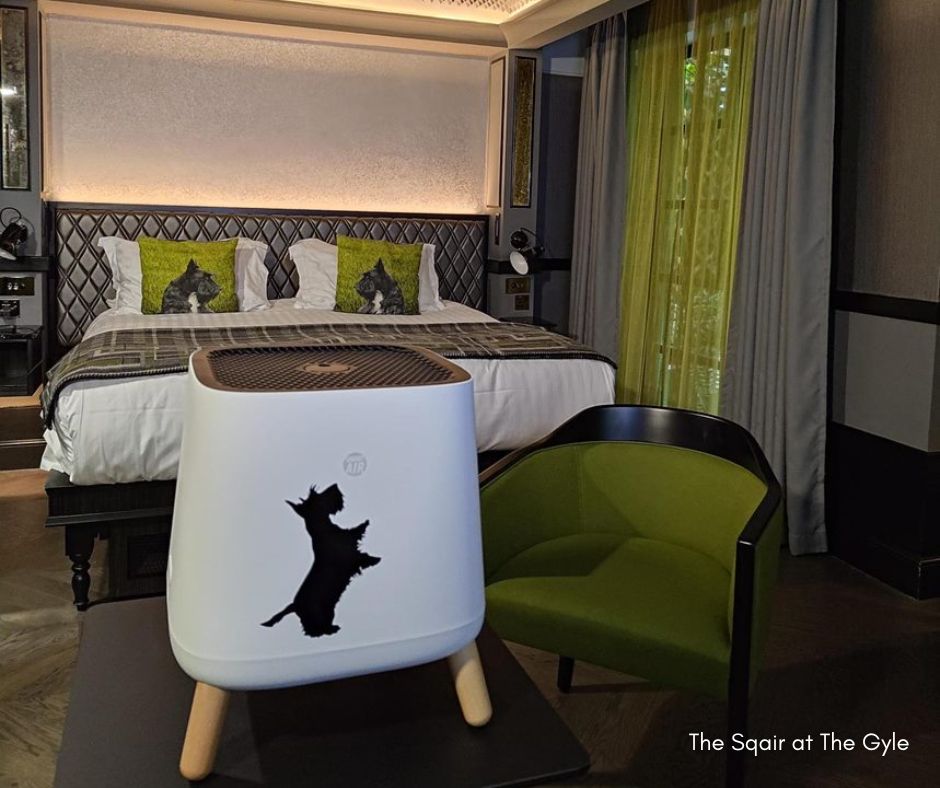
Can commercial air purifiers be used at home?
While commercial air purifiers can be used at home, it’s not usually necessary. These units are built for high air change rates, which may be excessive for most households. However, if your home faces specific challenges like high VOC levels or smoke, or household members with respiratory issues, a commercial-grade purifier may be a smart choice.
Legal air change requirements
In workplaces and other commercial environments, achieving a specific number of air changes per hour is a legal requirement to safeguard public health. These guidelines vary based on location and industry type but they aim to protect the health and safety of the employees.
For instance, UK office spaces often require between 6-10 air changes per hour, while environments with higher contaminant exposure (such as laboratories or factories) may require even higher rates.
In residential spaces, there’s no legal requirement for air changes. Residential air purifiers work to reduce common household pollutants rather than meet specific air change rates. While it’s beneficial to have an air purifier at home, the ACH is a matter of preference rather than legal obligation.
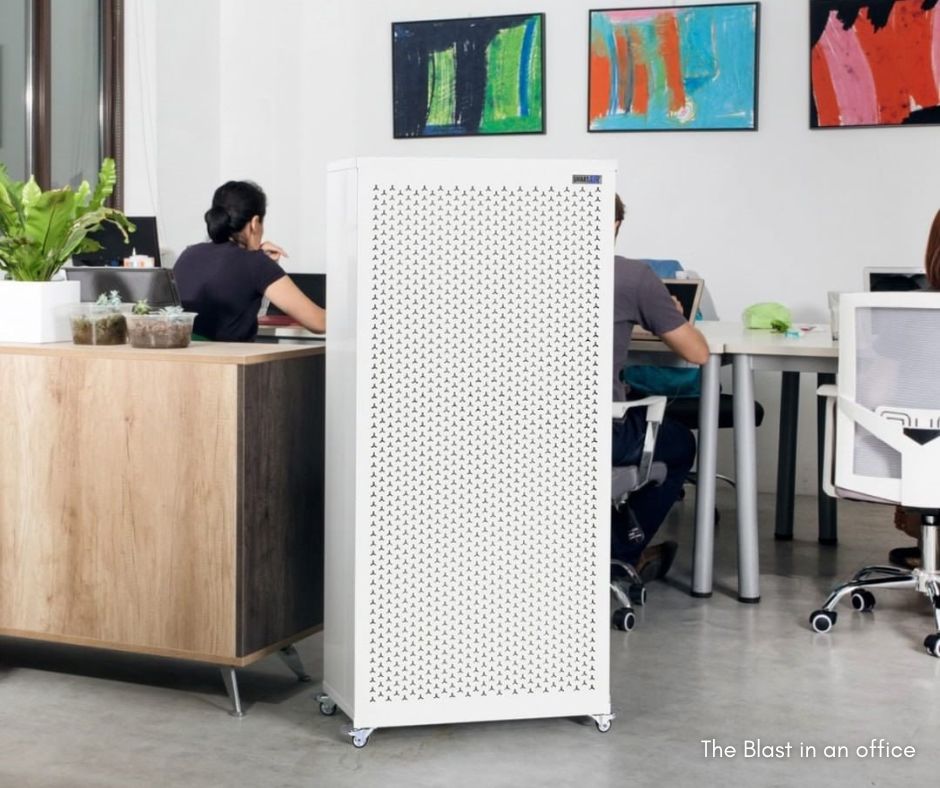
Choosing the right air purifier: A quick guide
| Description | Commercial | Residential |
| Room size | Commercial units handle larger areas with more pollutants. | Residential units handle smaller areas with less pollutants. |
| HEPA or carbon filters | HEPA and carbon filters are suitable for commercial settings, as footfall is higher and chemicals like air fresheners and bleach are used for cleaning | HEPA for allergens; carbon for high levels of VOCs, odour and smoke, which can be found in the kitchens |
| Occupancy and pollutant levels | Commercial spaces with high traffic or pollutant levels need more robust air purifiers capable of maintaining air quality over time | Residential units aren’t designed for continuous, high-demand use in these environments and may not provide adequate filtration |
| Air change requirements | In commercial settings, it’s important to meet the required ACH for compliance with health and safety regulations. Some spaces, such as healthcare environments, may have specific ACH requirements | In residential settings, there is no ACH requirement, but the goal is to improve the indoor air quality |
| CADR and noise | For larger spaces or higher pollutant levels, choose a unit with a higher CADR. Don’t forget to consider the noise levels. | For residential, the highest CADR may not be necessary but the noise level matters. Beware of marketing gimmicks where the highest CADR is advertised with the lowest noise levels. |
| Additives | Avoid ionisers and UV lights, as they can produce ozone | Avoid ionisers and UV lights, as they can produce ozone |
| Style | More than style, functionality is an important factor while choosing air purifiers for commercial setting | Style can be an important factor while choosing air purifiers for residential setting |
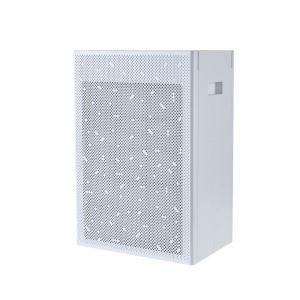
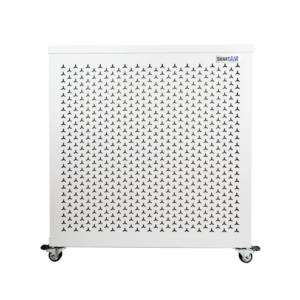
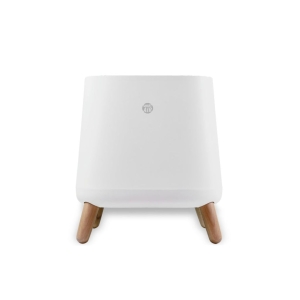
Both residential and commercial air purifiers offer benefits but are designed for different environments. In workplaces, choosing a purifier that meets legal standards is essential. In homes, while there’s no legal requirement for air changes, a purifier can still improve air quality — commercial-grade units may offer extra peace of mind.
Smart Air UK offers tailored solutions for both home and business environments, helping you achieve optimal indoor air quality.

