

Figuring out when to swap out your HEPA filter can be a bit tricky. Maybe you’ve wondered about those numbers air purifier companies claim. Where do they even get those HEPA filter replacement numbers?

If a company that’s based in Switzerland is telling you can use it for six months, is that Beijing air? Is that Delhi air? If it lasts six months in Switzerland, is it really going to last six months in Delhi?

Add in the fact purifier companies are incentivized to have you replace your filters more often for profits.
So, I’m a bit wary of how companies get to their filter replacement numbers.
Lack of Transparency From Air Purifier Companies on HEPA Replacements
I had a difficult time finding any data-backed explanations for the HEPA filter replacement recommendations from many of the big brand air purifier companies.
So, I decided to contact the popular brand Medify Air to ask them about the basis of their recommendations. Surely they would have data to back up their claims somewhere right? Or else they would be misleading their customers by providing meaningless recommendations.
Notice their response: “We do not share test results or publish data on the lifespan of our HEPA filters for proprietary reasons.”

Factors That Effect How Long Your HEPA Lasts

In reality, many factors determine the lifespan of your HEPA filter. These factors include:
- Hours used in a day
- Speed used
- Outdoor air pollution levels
- Indoor air pollution sources (such as cooking)
- Pre-filter frequently vacuumed or not
This makes when to change a HEPA filter vary greatly amongst users. So, it is impossible to give a specific HEPA filter replacement timeline that is ideal for all users.
But, at the very least, companies should explain and publish open data on where they got the numbers and not leave customers in the dark.
Watch: Smart Air Founder Thomas Talhelm on Filter Replacement Recommendations

Subscribe to Smart Air on YouTube

When to Replace Air Purifier Filters?
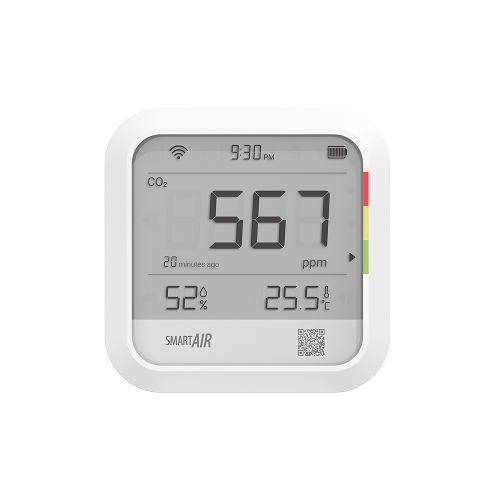
The most effective method to determine the right time to replace a HEPA filter is by using a PM2.5 air quality monitor, often referred to as a particulate counter. This device ensures that the air in your home remains at safe levels.
As a HEPA filter’s efficiency diminishes gradually, routinely monitoring your air quality allows you to replace the filter at an optimal time—neither too early nor too late, avoiding a major decline in its effectiveness.
Read More: How to Use an Air Monitor to Determine When to Replace a HEPA Filter

And the good news is you do not need to spend thousands of dollars on fancy equipment.
Our analysis shows there is no correlation between price and accuracy for air quality monitors. The $70 monitor tested outperformed the over $7,000 monitor.

Read More: Best Air Quality Monitors in 2023
How We At Smart Air Make HEPA Replacement Recommendations
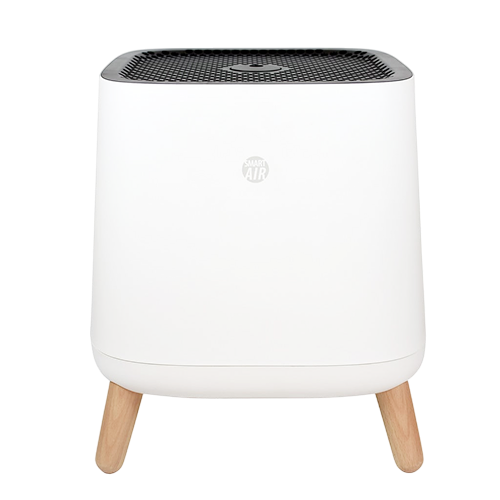
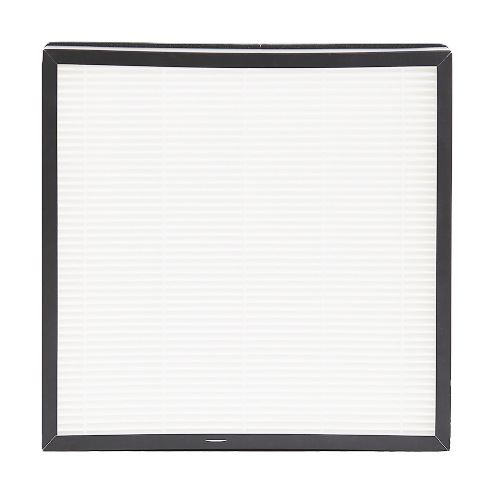
At Smart Air, we test and publish the HEPA filter performance of our air purifiers over time. For example, our Sqair purifier (designed for living spaces) was tested on high for 1500 hours in Beijing air.

There was a 50% reduction in HEPA filter effectiveness after 1400 hours of running on high.

So we recommend people change their Sqair HEPA filter every 1400 hours. That’s 6 months if running the Sqair on high for 8 hours a day.
What if I Use My Purifier in a Really Dirty Place, or For Longer Each Day?
How often you should change your HEPA filter depends on your exact usage and air pollution circumstances. That’s why we provide this handy tool to work out how often you should replace your air purifier’s HEPA filters. This HEPA filter lifespan calculator allows you to calculate filter lifespan based on PM2.5 levels specific to the country where you use your purifier. Even still, your local PM2.5 may be different from the country average – so we recommend an air quality monitor to really understand the air you breathe.
There are many factors that determine the lifespan of your HEPA filter (location, speed used, time used, etc). Air purifier companies also often give little explanation for where they came up with their numbers. The best way to know when to replace your HEPA filter is with the use of an inexpensive air quality monitor.
Smart Air: Democratizing Clean Air
Smart Air is a certified B Corp committed to combating the myths big companies use to inflate the price of clean air.

At Smart Air, we provide empirically backed, no-nonsense purifiers and masks, that remove the same particles as the big companies for a fraction of the cost. Only corporations benefit when clean air is a luxury.
Free Guide to Breathing Safe
Want to learn more about breathing clean air? Join thousands more and stay up to date on protecting your health.
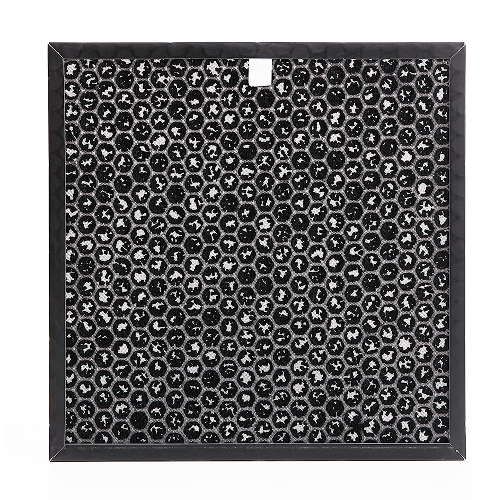






So the fact that I just started leaving a TruSens HEPA & (reasonably sized) activated carbon filter + PC fan DIRECTLY on top of the stove when it is off has an added benefit: the filters in my purifiers could last longer, because the the DIY purifier on the stove is cleaning the main source of indoor air pollution.
Interesting!
Do we purchase the replacement HEPA and Carbon filters from you?
It makes sense that CADR (Clean Air Delivery Rate) drops a lot as a HEPA filter gets restricted by particles.
From personal experience, the average filter has far more life in it than the filter manufacturers lead you to believe, but the tradeoff of using a filter longer is a reduction of purified air emanating from the filter.
But what happens when a filter is completely clogged and allows no air through?
Would a fan motor overheat enough to create a fire?
Maybe this precaution factors into why manufacturers specify what appear to be too frequent filter replacement intervals.