
As wildfires were raging across the American West this summer, NPR ran a story on pollution masks people can use to protect themselves from all that air pollution.
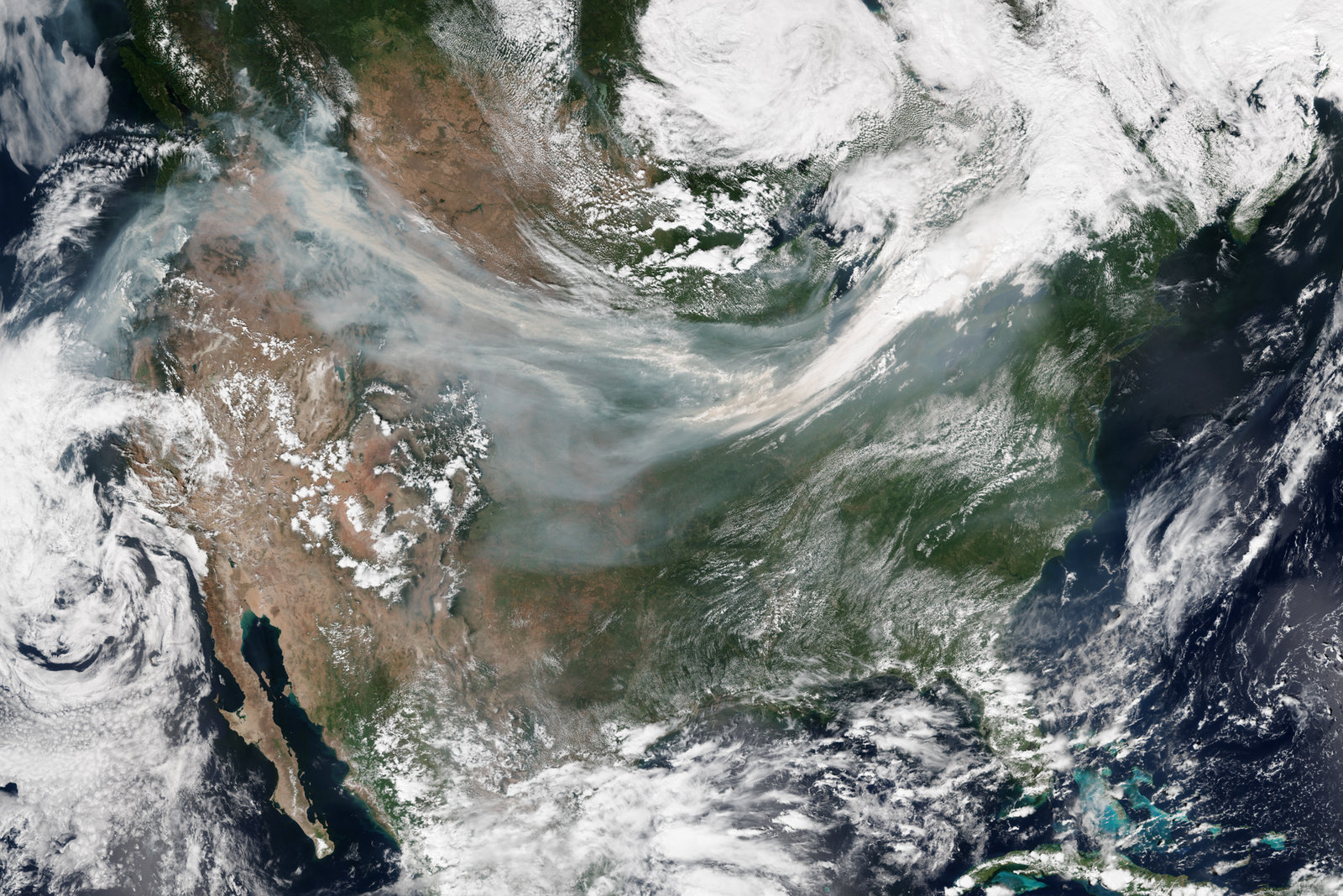
As a non-expert nerd who has dedicated years to understanding how to live under Beijing’s particulate cloud, I was eager to see what the story got right and what the story might be missing. Here’s my rundown:

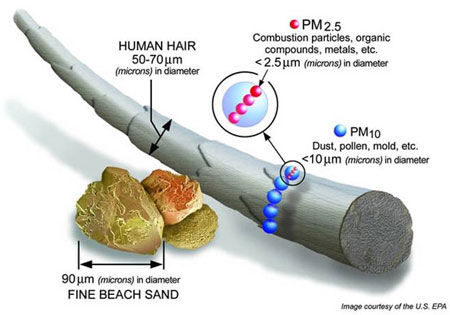
 1. “When you inhale these really small particles, smaller than a few microns, they can land in your lungs and cause respiratory symptoms.” They can even pass into your bloodstream.
That’s right! Scientists are generally more concerned about the small particles. And if they’re really small, there’s evidence they can even enter our bloodstream.
2. For people who have underlying heart conditions or respiratory illnesses — such as asthma or chronic lung disease — exposure to wildfire smoke can be serious.
Believe it or not, the World Health Organization estimates that particulate air pollution kills a LOT more people every year through heart attacks than it does through lung problems like lung cancer or emphysema.

It’s not just a long-term problem. It’s an acute problem too. Studies have found more people have heart attacks on days with bad air pollution. That means people with heart conditions should be especially careful. (Zolpidem)
3. The best way for everyone to minimize the risk when skies are smoky is to stay inside.
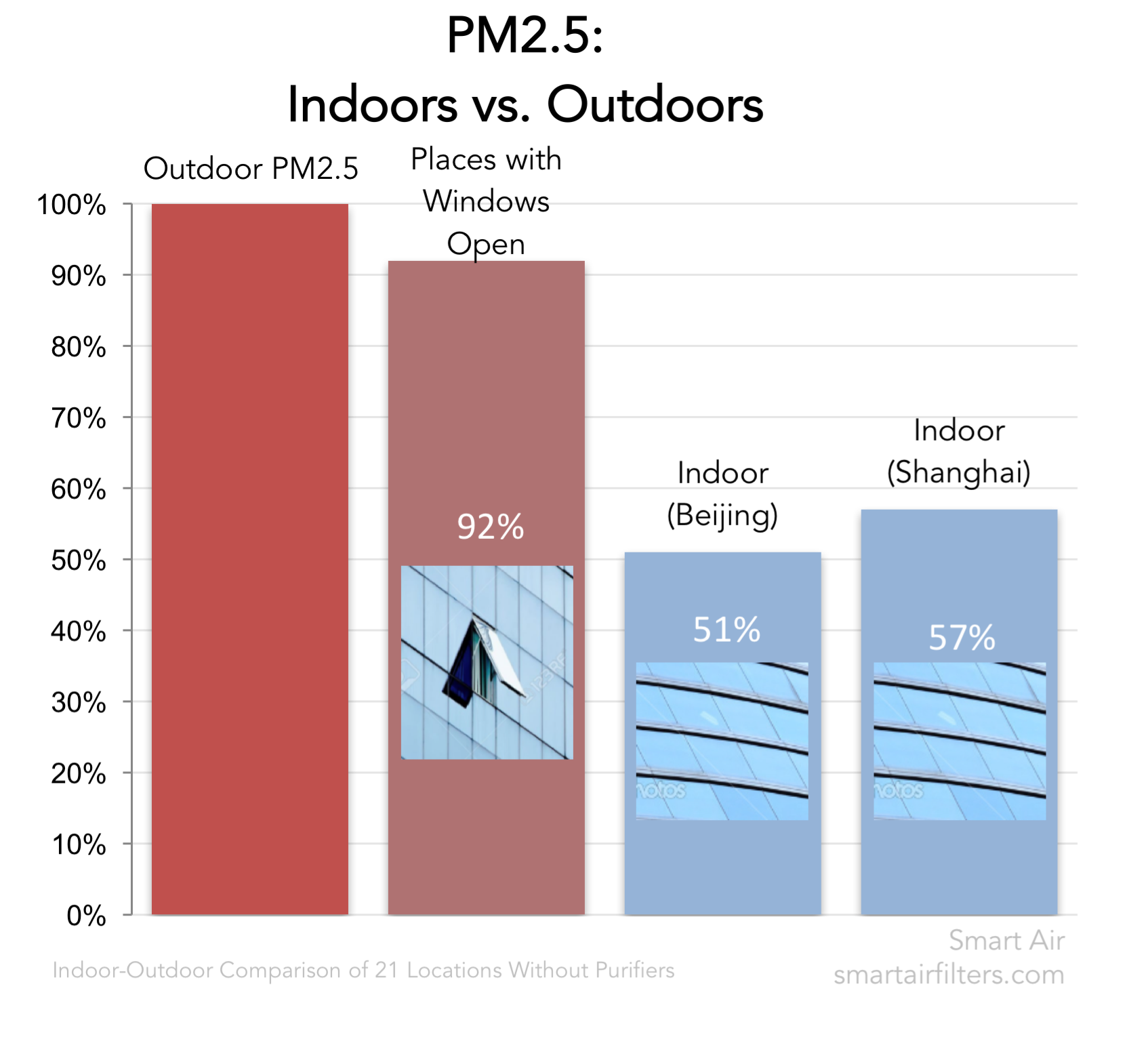
I’ve seen many people question this logic. Our air indoors comes from outdoors, so isn’t it just the same as outdoor air?
The data says “no.” In my tests in Shanghai, Beijing, and Delhi, indoor air had 50-60% of the particulate compared to outdoor air. The US EPA found a similar number in their much more rigorous tests.

4. A standard dust mask that you can buy at the pharmacy won’t do you much good…it won’t filter out the microscopic particles that can get into your lungs.
Wrong! This is a common misconception that other outlets like Greenpeace have repeated. Scientists have tested surgical masks agains really tiny particles, and the results are surprising. Surgical masks in Beijing captured 80% of particles particles down to .007 microns.
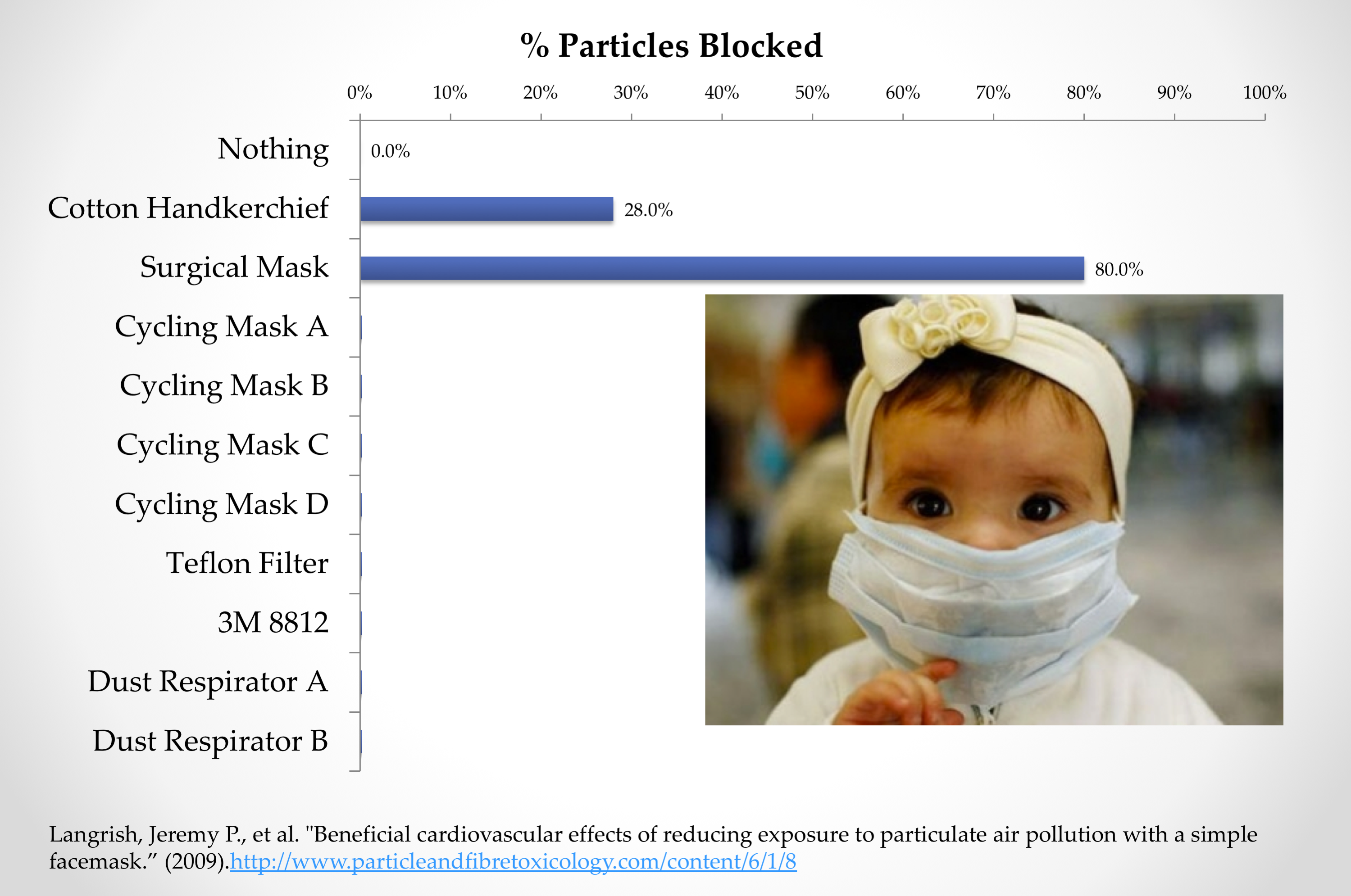
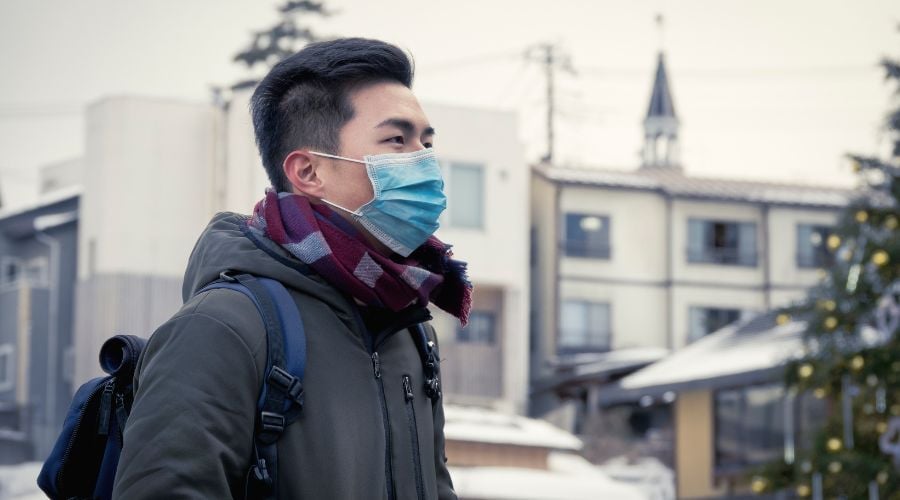
Surgical masks aren’t as good at sealing around the face, but even in fit tests (1, 2, 3), surgical masks block close to 100% of particles at 1 micron. Even cheap 25-cent surgical masks that researchers bought on the streets of Nepal captured over 60% of particles at .03 microns. That’s really far from “won’t filter out.”
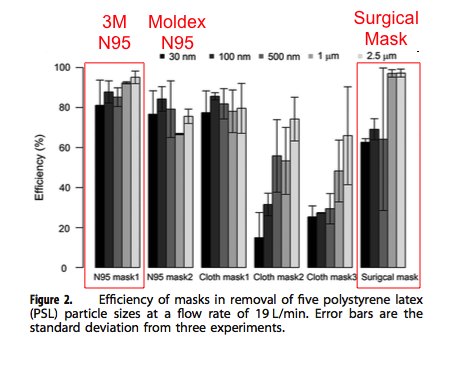
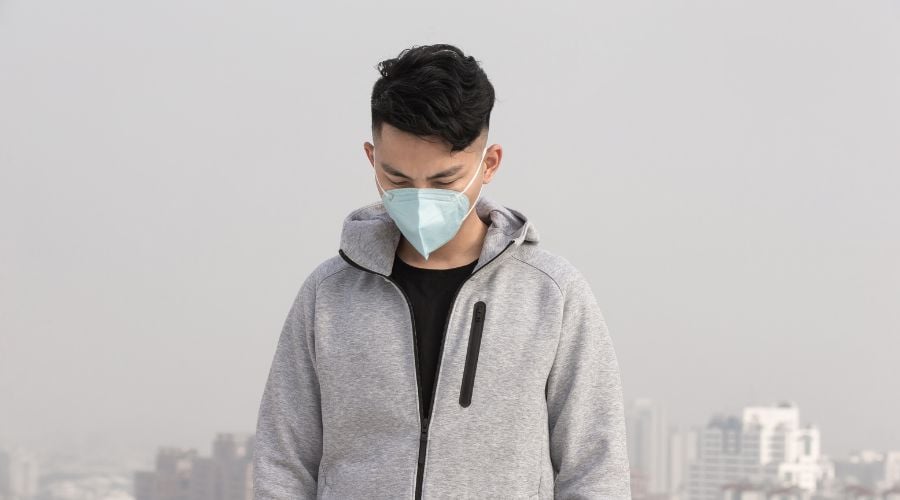
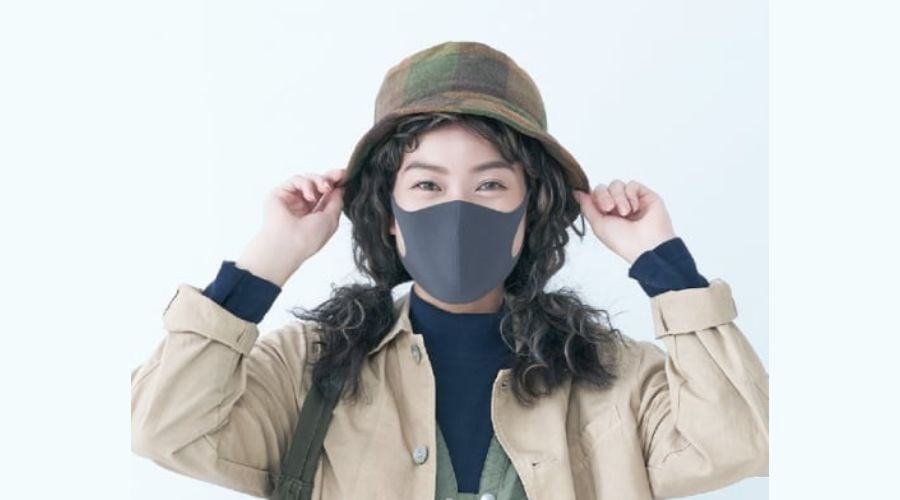
Of course it’s better to wear a mask designed for air pollution, like any of these masks I personally fit-tested in Beijing or these masks Smart Air tested in India. But this point about surgical masks is important because:
- Surgical masks are cheap. For some people, they’re the only affordable option.
- Surgical masks are available at many stores–pharmacies, grocery stores, and even some convenience stores.
- Sometimes surgical masks are the only option people have without waiting days for high-grade masks to be delivered.
If NPR is repeating this common misconception about surgical masks, it will discourage people from using surgical masks when they’re the only option available. When I’m in Beijing, and I don’t have a pollution mask on hand, I wear a surgical mask because it significantly reduces the amount of particulate pollution I breathe—even the really tiny particles.
 5. An N95 mask can filter out 95 percent of smoke particles, but only if it’s fitted properly and dirty air doesn’t leak around the sides.
This is true by definition, but misleading. I think of how my aunt or my friend’s mom listening to this story would interpret this statement: “Bah, if I don’t get a proper fit, the mask is going to be nearly useless.”
What this statement gets wrong is that even masks that aren’t professionally fitted do an incredible job. For example, researchers ran fit tests with a mask that they hadn’t previously fit tested on 22 volunteers. They found a median fit score of 99.3%! So basically, if you take one of these masks off the shelf, chances are it’s doing a fantastic job.

But telling people that masks need to be professionally fitted will make a lot of people think, “Eh, I don’t know. That fit stuff sounded complicated. Even if I do buy a mask, it might not even work anyway. Too much hassle.”
Based on those scientists’ fit-test data, let’s say you’re worse than average. Let’s say you’re worse than 75% of people in the fit test. Shucks, their data says you’re breathing air that’s only 98.8% better than outdoor air.
Unfortunately that study doesn’t report the lowest score they found, but taking my fit data, Smart Air co-founder Anna’s, and Beijing-based Dr. Saint Cyr’s, the single worst datapoint for 3M masks was 84.4%. That’s still a heck of a lot better than nothing.
Bottom line: Even if you can’t get a professional fit test for your mask, it’s most likely filtering out a high percentage of particles. And you can boost that percentage by doing this simple poor man’s fit test in just one minute.
WHAT NEXT?
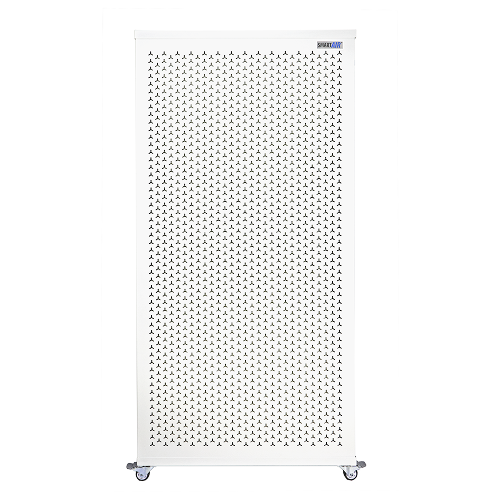
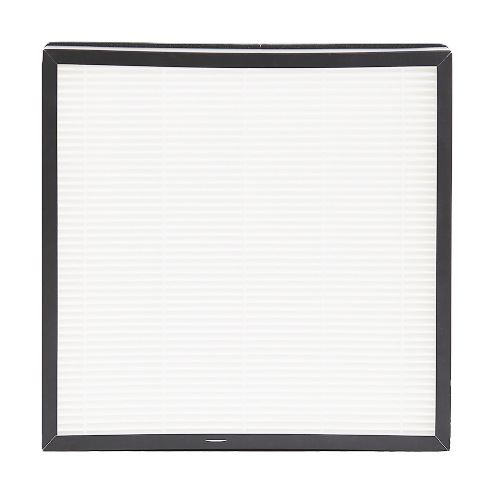
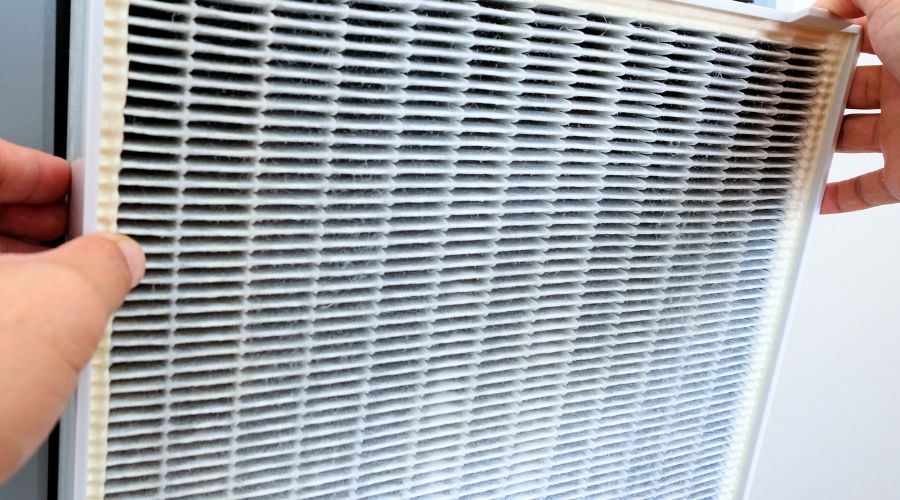
Along with wearing masks, air purifiers with HEPA filters are also one of the best ways to stay safe from a variety of pollutants in our air including viruses and dangerous PM2.5. A recent CDC study confirmed significantly lower COVID-19 infection rates in schools that used HEPA air purifiers. HEPA filters can significantly lower the risk of a variety of deadly diseases including diabetes, heart disease, cancer, and high blood pressure.

Read More: Four Steps to Choosing the Best Air Purifier
Smart Air is a certified B Corp committed to combating the myths big companies use to inflate the price of clean air.

Experience breathing truly clean air with gimmick-free, effective air purifiers that won’t break the bank. Join the clean air movement.


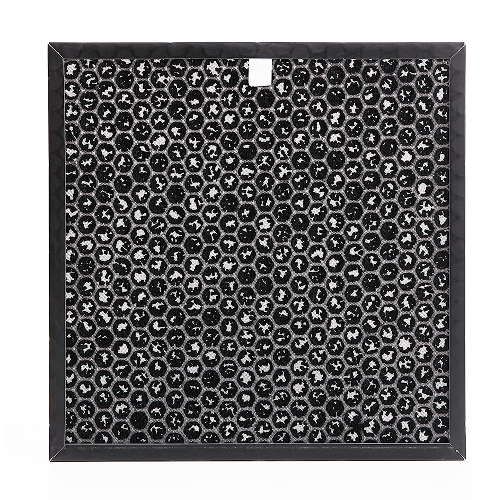






Use Activtatd Carbon mask that will filter out all the gases POC as far as the eyes maybe goggles
What about the pollution absorbed by your eyes, as well as, carbon monoxide fumes from heavy traffic which no mask on the market can filter yet is also harmful to one’s health?