
Air Purifiers for Healthcare

Protecting patients and raising hospital standards.
Clean air is crucial for crowded hospitals and medical facilities. Especially in Bangladesh, where patients risk catching new infections that delay recovery. Ensuring clean air standards protects patients, supports doctors and staff, and improves overall care. Smart Air purifiers are equipped with HEPA filters that remove up to 99.9% of particles, including ultrafine pollutants as small as 0.3 microns, helping hospitals provide safer environments and faster recovery.
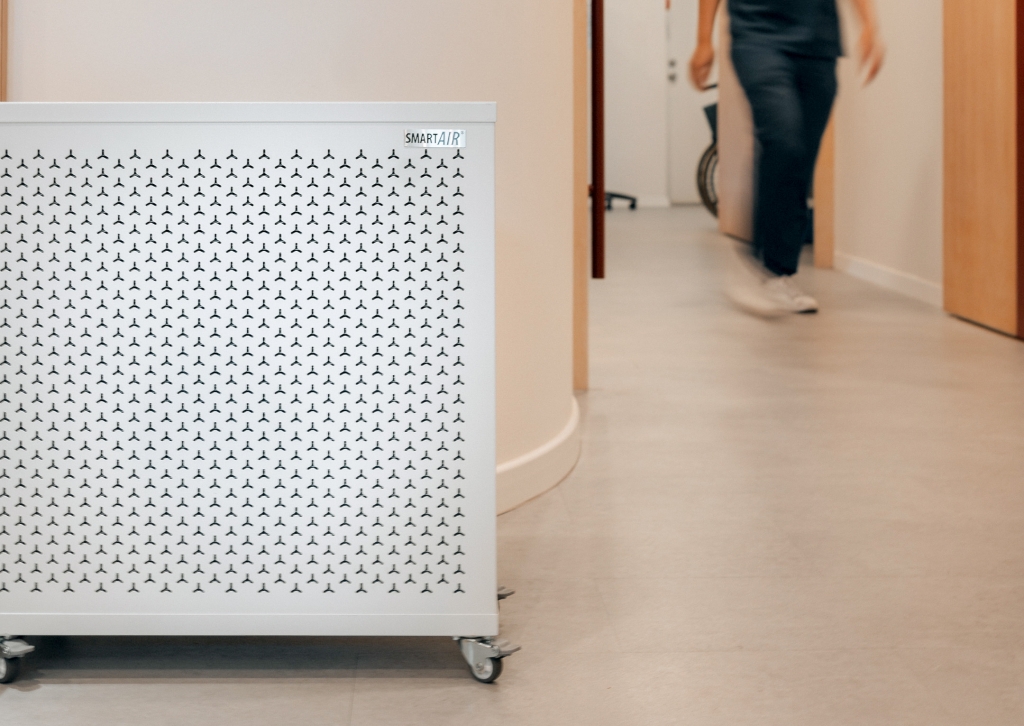
Hospitals in Bangladesh Raising Standards with Smart Air Purifiers







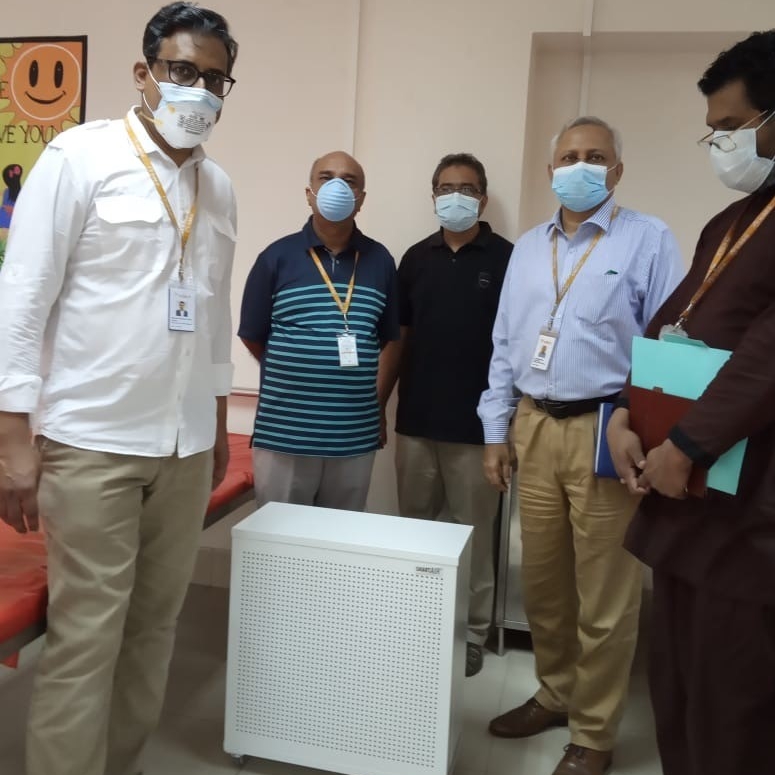
Smart Air Bangladesh Donates Blast Mini Purifiers to icddr,b
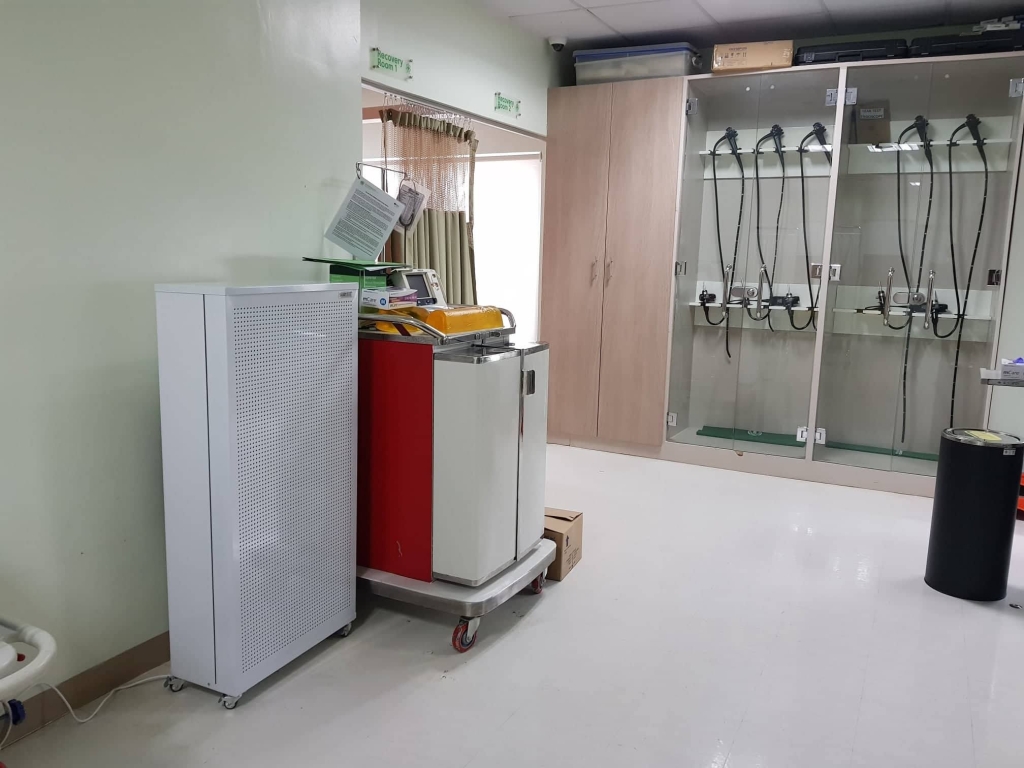
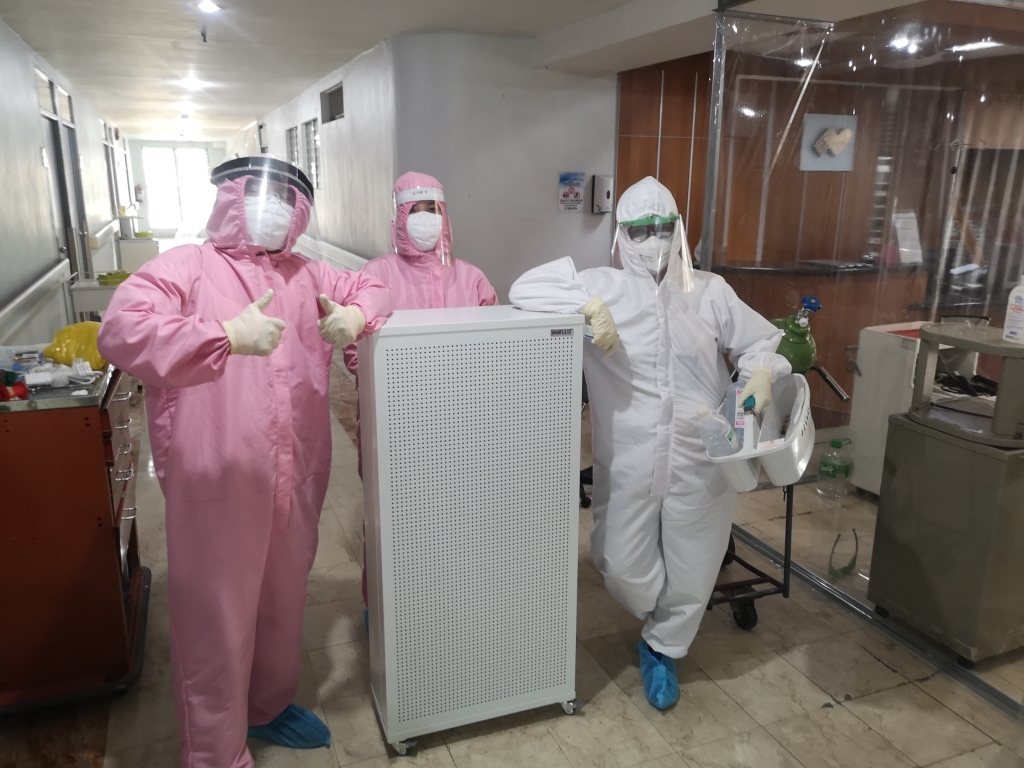
Smart Air Bangladesh donated Blast Mini air purifiers to the International Centre for Diarrhoel Disease Research centre (icddr,b), to help reduce COVID transmission in the COVID ward. Upon being aware of this, UNICEF partnered with Smart Air to obtain 35 Blast Minis for their Teknaf COVID-19 hospital.
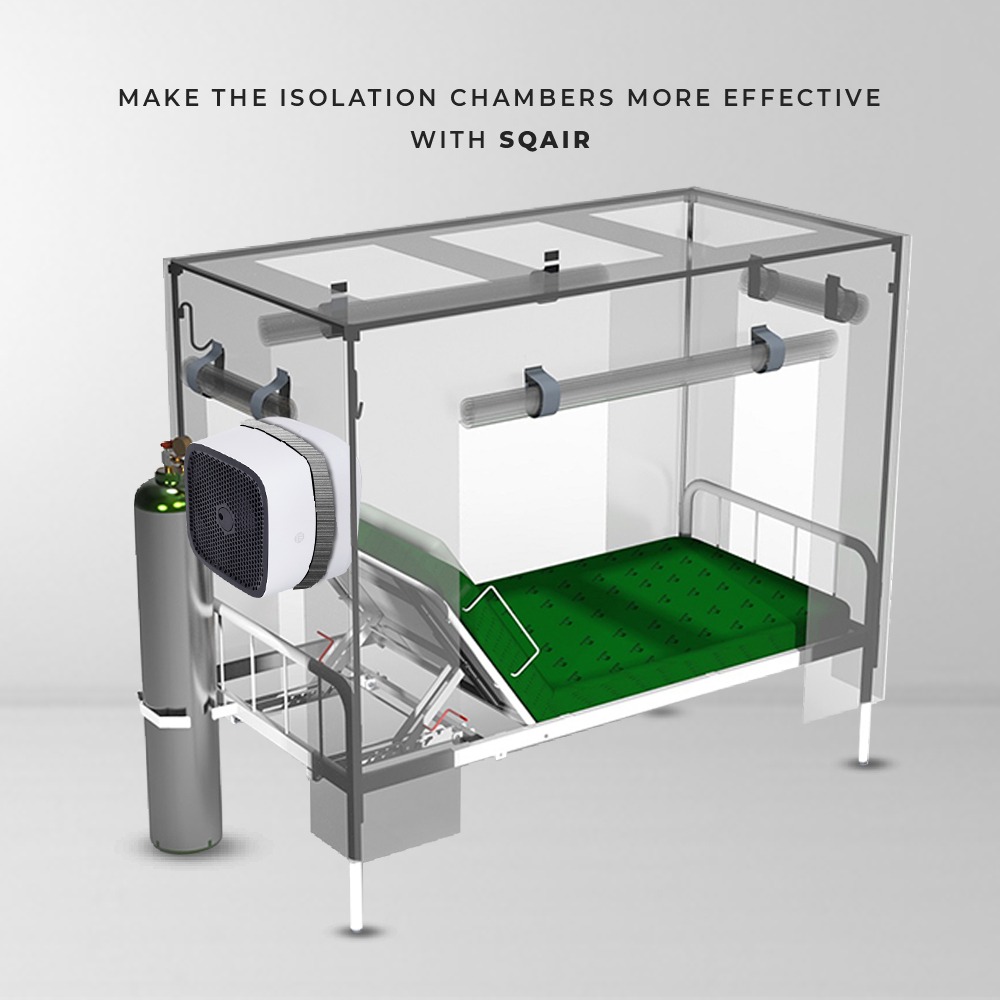
Hospital in Dhaka Uses Sqair Air Purifiers for COVID-19 Protection
The Dhaka Combined Military Hospital (CMH) utilised Sqair Air Purifiers to rapidly create isolation units. With the Sqair’s 99.7% filtration effectiveness,
this reduced COVID-19 infections
amidst a surge in COVID cases.
Smart Air purifiers protect against viruses and COVID-19, keeping staff and patients safe.
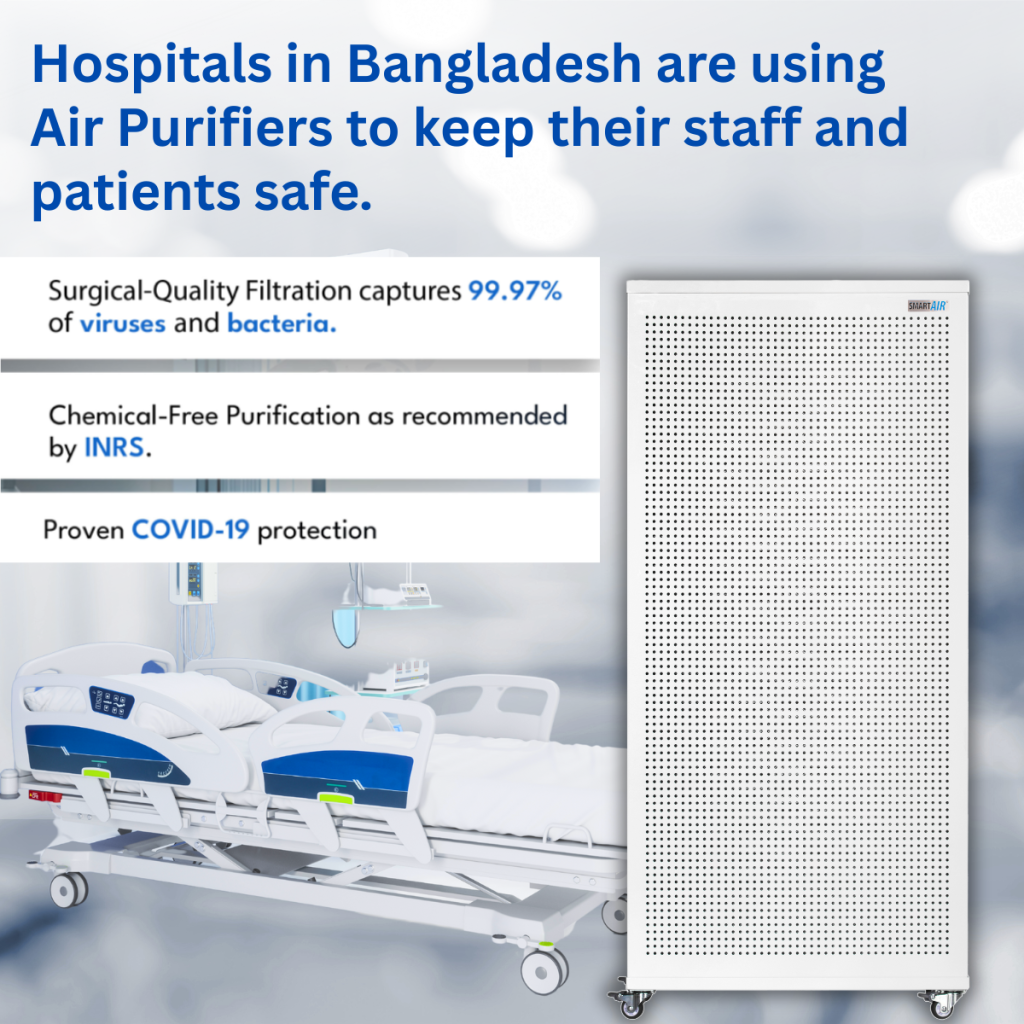
Reduce the Risk of Cross-Contamination by Viruses or Bacteria
Your medical practice can become a point of infection. To reduce airborne contamination, chemical-free purification with an H13 HEPA filter is recommended by INRS and the French Public Health Council.
Protect Your Staff’s Health
Your medical practice exposes your team to viruses and bacteria. Poor indoor air quality can affect their performance, causing headaches, fatigue, and dizziness.
Low Maintenance
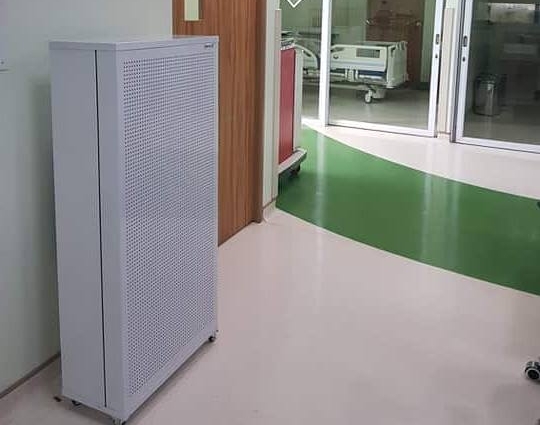
The Blast and Blast Mini deliver industry-leading efficiency with minimal energy consumption and maintenance-free operation. Affordable to run and designed to lower your electricity bill, Smart Air units are the perfect choice for healthcare settings.
Whisper-Quiet Air Purification for Medical Practices
Air purifiers ensure whisper-quiet performance, continuous decontamination in both waiting and consultation rooms, eliminating the need to open windows for air renewal.
Hear it from Others
Smart Air Bangladesh helped us create a cleaner, healthier environment for our patients and staff. Their purifiers continue to make a real difference in our hospital every day.

icddr,b
Dhaka
Healthcare Air Purifiers FAQ
Smart Air Services
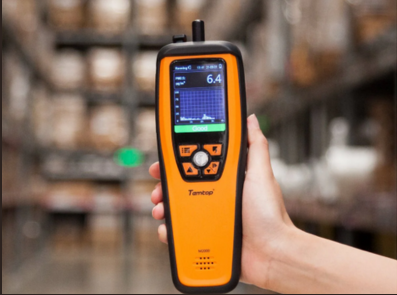
Air Quality Audit
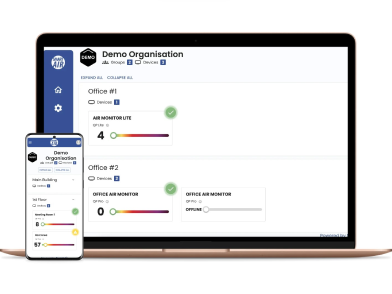
Air Quality Insight:
Data, Monitoring & Dashboard
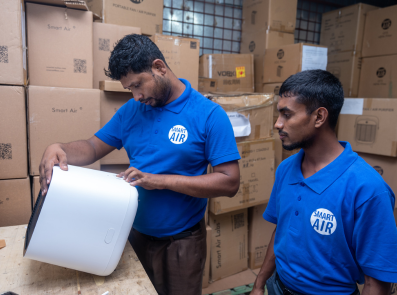
Regular Maintenance Service
Get a Free Air Quality Audit

Contact Our Experts Today
Ensure Safe Air for Patients & Staff
Small actions can lead to a big difference.

